An air conditioner works hard to keep your home comfortable during hot weather, but regular maintenance is important for keeping the system operating efficiently. An AC tune-up is a professional service designed to inspect, clean, test, and adjust key components before small issues become expensive repairs. While the exact checklist can vary depending on the system, a thorough tune-up covers several important areas of your air conditioner. Understanding what is included can help homeowners know what to expect and why routine maintenance matters.
Comprehensive AC System Inspection
A professional AC tune-up typically begins with a complete inspection of the system. The technician checks both indoor and outdoor components for signs of wear, damage, corrosion, loose connections, or other developing problems.
The inspection may include the evaporator coil, condenser unit, refrigerant lines, electrical components, blower assembly, drain system, thermostat, and other important parts. Identifying problems early can help prevent unexpected breakdowns during periods of heavy AC use.
Cleaning the Outdoor Condenser Unit
The outdoor condenser unit can collect dirt, leaves, grass, dust, and other debris over time. Restricted airflow around the condenser can make the system work harder and may reduce cooling performance.
During an AC tune-up, a technician can clean the outdoor unit and remove debris from areas that affect airflow. The condenser coil may also be cleaned as appropriate, helping the system release heat more effectively.
Checking and Cleaning the Indoor Components
Indoor components also play an important role in AC performance. A technician may inspect the evaporator coil, blower components, drain pan, and other accessible parts for dirt and buildup.
If the evaporator coil becomes excessively dirty, airflow and heat transfer can be affected. Cleaning accessible components as part of routine maintenance can help the air conditioner operate more effectively.
Inspecting the Air Filter
The air filter is one of the simplest but most important parts of an AC system. A clogged filter can restrict airflow and force the equipment to work harder.
During a tune-up, the technician checks the filter and may recommend replacing it if it is dirty. Homeowners should also check their filters regularly between professional maintenance visits because replacement frequency depends on the filter type, system usage, household conditions, and manufacturer recommendations.
Testing Refrigerant Levels and System Performance
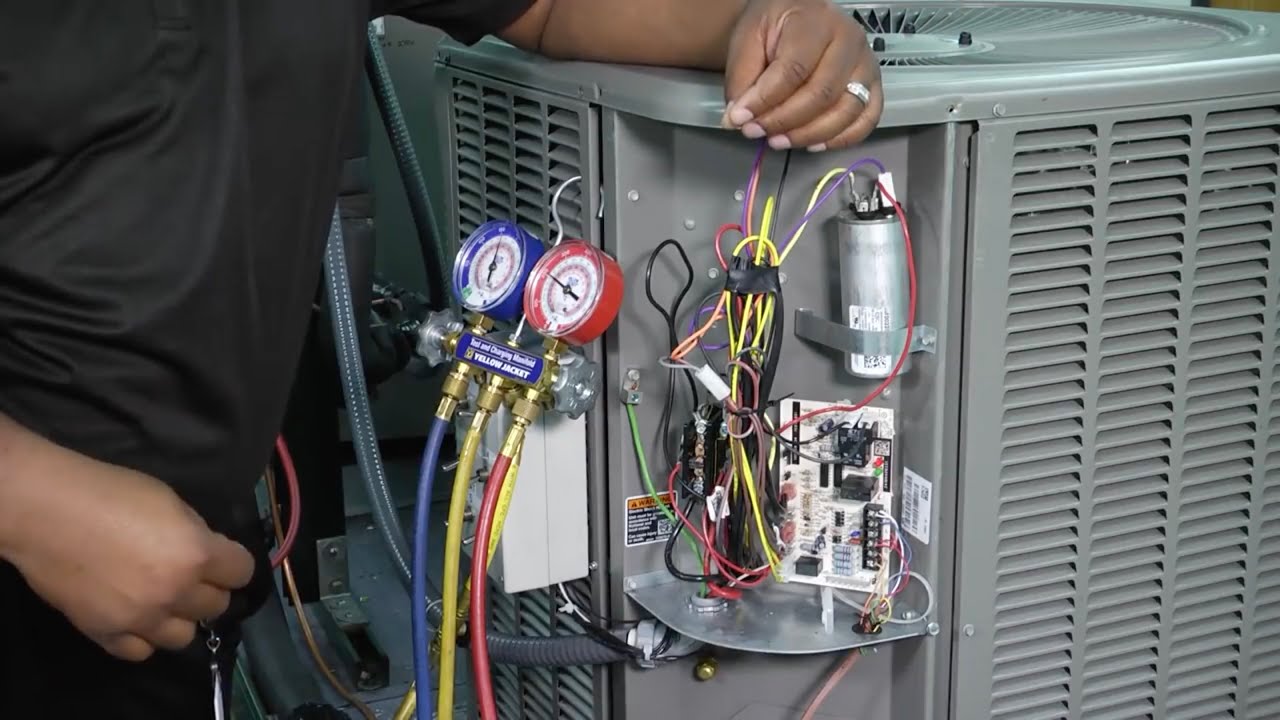
Refrigerant is essential for the cooling process. During maintenance, a technician can check system operation and look for indications of refrigerant-related problems.
If refrigerant levels appear abnormal, further testing may be necessary to determine the cause. Low refrigerant can sometimes indicate a leak rather than simply meaning the system needs more refrigerant. Any refrigerant service should be performed by a qualified professional.
Checking Electrical Connections
Electrical components are another important part of an AC tune-up. Technicians may inspect wiring, connections, capacitors, contactors, and other electrical components for signs of wear or damage.
Loose or deteriorated electrical connections can affect system performance and may create safety concerns. Testing these components during maintenance can help identify problems before they lead to a system failure.
Inspecting the Thermostat
The thermostat controls when the air conditioner runs and helps maintain the desired indoor temperature. During a tune-up, the technician can test the thermostat and verify that it is communicating properly with the HVAC system.
If temperature readings or system cycling seem unusual, the technician can determine whether the thermostat or another part of the system may be contributing to the issue.
Checking the Condensate Drain
Air conditioning systems naturally produce condensation during the cooling process. That moisture needs to drain properly through the condensate system.
A technician can inspect the drain line and related components for blockages or buildup. A restricted drain can contribute to water leaks and may cause certain systems to shut down as a protective measure.
Testing Airflow and Cooling Performance
A tune-up is not simply about cleaning individual components. The technician should also evaluate how the system performs as a whole.
This can include checking airflow, temperature differences, system cycling, and other operating conditions. If the system is not delivering the expected cooling performance, additional diagnosis may be recommended.
Inspecting Moving Parts and Lubrication
Depending on the equipment design, certain moving components may require inspection or lubrication. The blower motor and other mechanical parts can experience wear as the system operates.
Checking these components during maintenance can help identify unusual noise, excessive vibration, or other signs of mechanical problems.
Checking Safety and Operating Controls
An AC system contains multiple controls designed to regulate operation and protect equipment. During a professional tune-up, the technician can test applicable controls and verify that the system starts, operates, and shuts down correctly.
This is particularly useful for identifying unusual cycling or operating behavior that may not be obvious during normal use.
Why Schedule Regular AC Tune-Ups?
Regular AC maintenance can provide several benefits for homeowners. A well-maintained system may operate more efficiently, provide more consistent cooling, and experience fewer avoidable problems.
Routine maintenance can also give homeowners an opportunity to identify aging components before they fail during the hottest part of the year. However, an AC tune-up cannot guarantee that a system will never break down, particularly if the equipment is old or has significant underlying problems.
For many residential systems, an annual professional tune-up is a practical starting point. Scheduling maintenance before the cooling season can also give homeowners time to address problems before they become urgent.
Signs Your AC May Need More Than a Tune-Up
Sometimes maintenance reveals a problem that requires repair. Contact an HVAC professional if you notice:
- Warm or inconsistent air from the vents
- Weak airflow
- Unusual noises or odors
- Frequent cycling
- Water around the indoor unit
- Unexpected increases in cooling costs
- Poor humidity control
- An AC system that struggles to reach the thermostat setting
These symptoms can have different causes, so professional diagnosis is important before deciding whether a repair, replacement, or additional maintenance is needed.
Why Choose Aguilar A/C & Heating Inc.?
Aguilar A/C & Heating Inc. provides professional air conditioning and HVAC services for homeowners who want their cooling systems properly inspected and maintained. Our technicians can evaluate system performance, identify developing concerns, and perform appropriate maintenance based on the equipment’s condition.
From routine AC tune-ups to repairs and installation, we focus on helping customers maintain comfortable indoor environments throughout the year. Professional maintenance can be an important part of keeping your cooling equipment operating properly and addressing potential problems before they become larger concerns.
Keep Your AC Ready for the Cooling Season
An AC tune-up involves much more than simply cleaning the outdoor unit. A comprehensive maintenance visit can include inspecting electrical components, checking airflow, examining refrigerant-related conditions, cleaning accessible components, testing controls, inspecting drainage, and evaluating overall system performance.
Scheduling regular maintenance gives you an opportunity to keep your AC system in good operating condition and identify potential issues early. If your air conditioner has not been professionally inspected recently, an AC tune-up can be a practical step toward preparing your system for the demands of the cooling season.