Regular air conditioning maintenance can help keep your cooling system operating properly, especially when it is used frequently during hot weather. While homeowners often wait until an AC problem appears before calling an HVAC professional, routine tune-ups are designed to identify potential issues before they lead to unexpected breakdowns.
So, how often should you schedule an AC tune-up? For most residential systems, having the air conditioner professionally inspected and maintained once a year is a practical starting point. Scheduling maintenance before the cooling season can help ensure the system is ready for increased use.
Why Annual AC Tune-Ups Matter
An air conditioner contains numerous electrical, mechanical, and refrigeration components that work together during every cooling cycle. Over time, normal wear, dirt, restricted airflow, and other issues can affect system performance.
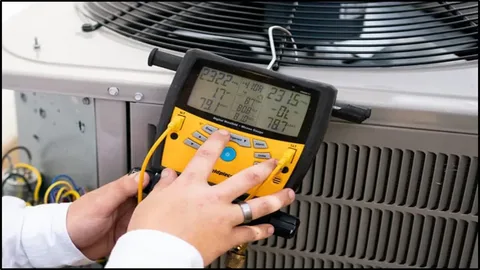
During a professional tune-up, an HVAC technician can inspect important components, identify developing problems, and perform maintenance tasks designed to keep the system operating properly.
Annual maintenance can also give homeowners a better understanding of their AC system’s current condition.
When Is the Best Time for an AC Tune-Up?
The ideal time for an AC tune-up is generally before you begin relying heavily on your air conditioner.
Scheduling maintenance in the spring can give an HVAC professional an opportunity to inspect the system before the hottest part of the year. This can also help homeowners avoid discovering a problem when the AC is already working under heavy demand.
However, if you have not scheduled maintenance yet, it is still worthwhile to have the system inspected rather than waiting for the next cooling season.
What Happens During an AC Tune-Up?
The exact maintenance process varies depending on the equipment and its condition. A professional tune-up may include inspection and servicing of several important components.
A technician may check:
- Air filters and airflow
- Electrical connections
- Thermostat operation
- Condenser components
- Evaporator coil condition
- Refrigerant-related components
- Blower operation
- Condensate drainage
- System controls
- Overall cooling performance
The technician can also look for signs of wear or developing problems that may require additional attention.
Does Every AC System Need the Same Maintenance Schedule?
Not necessarily. While annual maintenance is a useful general recommendation, certain systems or properties may benefit from more frequent professional attention.
Factors that can affect maintenance needs include the age of the equipment, how frequently the system operates, indoor air quality conditions, property use, and the overall condition of the HVAC system.
Older systems may require closer monitoring because components can become more susceptible to wear as the equipment ages.
What About Commercial AC Systems?
Commercial air conditioning systems can have different maintenance requirements than residential equipment. Commercial systems may operate for longer periods and serve larger spaces, which can increase operating demands.
Businesses should work with an HVAC professional to establish a maintenance schedule based on equipment type, operating hours, building conditions, and manufacturer recommendations.
Regular maintenance can help businesses reduce unexpected interruptions and maintain a comfortable environment for employees, customers, and visitors.
Signs Your AC Needs a Tune-Up
Even if your system has not completely stopped working, changes in performance may indicate that maintenance is needed.
Common warning signs include:
- Reduced cooling performance
- Weak airflow
- Unusual noises
- Strange odors
- Longer cooling cycles
- Frequent system cycling
- Uneven indoor temperatures
- Unexpected increases in energy consumption
These symptoms can have different causes, so professional inspection is recommended when they persist.
Can an AC Tune-Up Prevent Breakdowns?
Routine maintenance cannot guarantee that an air conditioner will never fail. Components can still wear out or malfunction unexpectedly.
However, regular inspections can provide an opportunity to identify worn components, restricted airflow, electrical concerns, drainage problems, and other issues before they potentially develop into larger failures.
Finding a developing problem early may also give homeowners more time to plan for repairs rather than dealing with an unexpected loss of cooling.
Regular Maintenance Can Support Energy Efficiency
An air conditioner that is dirty, restricted, or operating with a problem may have to work harder to provide the same level of cooling.
Routine maintenance can help keep important components clean and operating as intended. Proper airflow, functioning controls, and a well-maintained system can all contribute to efficient operation.
Energy consumption also depends on factors such as outdoor temperature, insulation, thermostat settings, equipment age, and home design, so maintenance is only one part of overall HVAC efficiency.
Don’t Forget Your Air Filter
Professional tune-ups are important, but homeowners also have a role in maintaining their AC system. The air filter should be checked regularly and replaced or cleaned according to the filter type and manufacturer’s recommendations.
A heavily clogged filter can restrict airflow and place additional strain on the system.
If you continue experiencing airflow or cooling problems after replacing the filter, professional service can help identify whether another issue is involved.
Newer Systems Still Need Maintenance
A newer air conditioner may be less likely to have certain age-related problems, but it still benefits from routine inspection and maintenance.
New equipment contains multiple components that need to work together correctly. Regular professional service can help verify that the system is operating properly and allow potential issues to be identified early.
Following the manufacturer’s maintenance recommendations can also help homeowners stay within warranty requirements where applicable.
Older AC Systems May Need More Attention
As an air conditioner ages, wear on components can become more noticeable. Older systems may experience more frequent repairs, reduced efficiency, or declining cooling performance.
Annual tune-ups can help homeowners monitor the condition of an aging system and make informed decisions about repairs or eventual replacement.
If an older AC requires frequent repairs, a professional can evaluate its overall condition and help determine whether continued maintenance or replacement makes more sense.
How Often Should You Schedule Your AC Tune-Up?
For most residential air conditioners, once a year is a good maintenance schedule. Ideally, the tune-up should be completed before the cooling system enters its busiest period.
Homes with demanding operating conditions or systems that require closer monitoring may benefit from a different schedule based on professional recommendations.
The most important thing is consistency. Waiting until an AC breaks down eliminates many of the benefits of preventative maintenance.
Why Choose Aguilar A/C & Heating Inc?
Aguilar A/C & Heating Inc provides professional air conditioning and heating services to help homeowners maintain comfortable and properly functioning HVAC systems.
Regular AC tune-ups give technicians an opportunity to evaluate system performance, inspect important components, and identify potential concerns before they become more disruptive problems.
Professional maintenance can be an important part of keeping an air conditioning system operating properly throughout the cooling season.
Keep Your AC Ready for the Cooling Season
Scheduling an AC tune-up once a year can help homeowners stay ahead of routine wear and potential system problems. A professional inspection can identify issues that may not be obvious during normal operation and help keep the system prepared for periods of heavy use.
If your air conditioner has not been professionally maintained recently, scheduling a tune-up can be a practical step toward maintaining its performance and reliability throughout the cooling season.